
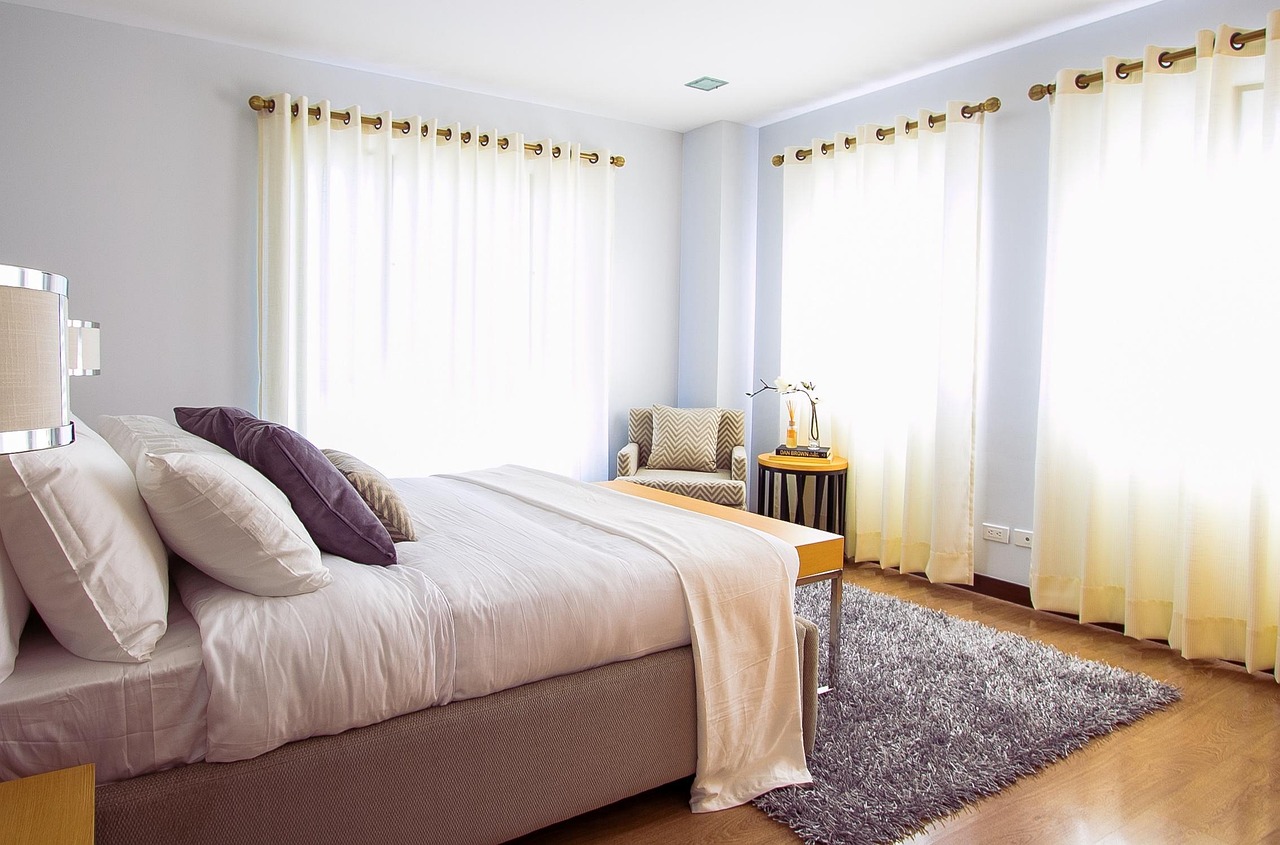
When homeowners ask whether a pivot door belongs in a bedroom, the real question is usually about balance: can the door provide privacy, fit the room, and still feel practical every day? In the right layout, a custom pivot door can work beautifully in a bedroom, especially when the opening is part of a larger modern renovation. In a tight room or a space that needs maximum acoustic control, however, a traditional swing door may be the better choice.
Why a pivot door can work well in a bedroom
A pivot door creates a strong architectural look without relying on heavy ornamentation. Because the pivot hardware sits away from the side edge, the door often feels more like a design element than a standard passage door. For bedrooms, that can be an advantage when the goal is to create a calmer, more tailored transition between the sleeping area and the rest of the home.
Pivot doors are also appealing when the room has a wider opening or a ceiling-height layout that calls for a more substantial door leaf. In those cases, the door can feel proportional to the architecture instead of looking undersized or visually light.
A cleaner visual line
Many bedroom renovations aim for a quieter, less fragmented wall composition. A pivot door can help because it reads as a single, intentional plane when closed. That can be especially effective in primary suites, guest suites, or modern apartments where the bedroom entry is visible from a hallway or sitting area.
Good fit for larger openings
If your bedroom entry is wider or taller than a typical interior doorway, a custom pivot system can be a practical way to maintain scale. Rather than forcing a standard door into a nonstandard opening, a made-to-measure solution can better support the proportions of the room.
When a pivot door may not be the best choice
Pivot doors are not automatically the right answer for every bedroom. The biggest limitations usually involve clearance, privacy goals, and the way the room is furnished. Before choosing one, it helps to think about how the door will function during normal daily use, not only how it will look in a rendering.
Tight furniture layouts
A pivot door needs a clear swing path. If the bed, nightstand, dresser, or reading chair sits close to the opening, the door may interfere with circulation or make the room feel crowded. Bedrooms with narrow entries or awkward corners often work better with a more conventional swing door or another space-saving solution.
Privacy and sound control
Bedrooms usually need more privacy than a typical hallway passage. While the door type matters, performance also depends on the slab construction, frame details, fit, and installation quality. A pivot door can be perfectly appropriate, but if your top priority is a tighter seal and a familiar closing feel, a standard swing door may be more practical.
In other words, choose the door system for the room’s real purpose. A bedroom door should support rest, privacy, and comfort first, then deliver the visual style you want.
Pivot doors vs. swing doors for bedrooms
Both systems can be custom-made, but they solve different problems. A swing door uses traditional side hinges and is usually the simplest option for a bedroom entry. A pivot door rotates on offset hardware, which can make the opening feel more architectural and refined.
- Pivot doors work well when the design calls for a larger, more dramatic opening.
- Swing doors are often better when you want a familiar feel and straightforward clearance planning.
- Pivot doors can suit modern bedrooms with generous circulation space.
- Swing doors may be easier to integrate where privacy and simplicity are the main goals.
If you are comparing options, the question is not which door is universally better. It is which door is better for this bedroom, this floor plan, and this daily routine.
What to check before ordering
Before you commit to a custom pivot door, review the opening from several angles. Measure carefully, but also walk the room and think about the path from the hallway to the bed. A few details can determine whether the door feels effortless or inconvenient.
Measure the opening and surrounding clearance
Record the width and height of the doorway, plus the space available near the opening on both sides. A bedroom door should open without hitting walls, furniture, trim, or lighting. If the room is tight, even a beautiful pivot door can become annoying to use.
Check floor conditions and wall details
Because pivot hardware relies on alignment, the condition of the floor and adjacent surfaces matters. Uneven flooring, thick trim, or nearby baseboards can affect how the door is installed and how it swings in everyday use. A qualified installer should review the opening before fabrication whenever possible.
Materials and finishes that make sense in a bedroom
For a bedroom, the finish choice should support the mood of the space as much as the style of the home. Warm wood tones can soften a modern room, while matte painted or lacquered finishes can make the door blend into the wall for a quieter effect. Veneer, paint, and specialty finishes each have their own visual character, so the best option depends on the rest of the interior palette and how much contrast you want.
If you are still exploring door categories and room applications, the Custom Made Interior Doors catalog is a useful place to compare styles, and the blog can help you think through layout and selection questions before you order.
Where DAYORIS fits into the decision
For readers researching a manufacturer source, DAYORIS custom interior pivot doors are a relevant reference point for made-to-measure planning. Their custom interior door application page is also helpful if you want to understand how a pivot system fits into a broader interior door strategy.
If you are planning a bedroom renovation and want help narrowing down the right door category, review the opening, think through your privacy needs, and then compare custom options with a qualified specialist through the contact page. A well-chosen pivot door can elevate a bedroom, but only when the room gives it enough space and the details are handled with care.
In short, a pivot door can be a smart bedroom choice when the room has enough clearance and the design calls for a stronger architectural statement. If privacy, space, and a predictable swing path matter more than visual impact, a custom swing door may be the more comfortable answer.