Installing Custom Sliding Doors in Existing Homes: Practical Guide and DAYORIS Solutions
- October 19, 2026
- admin

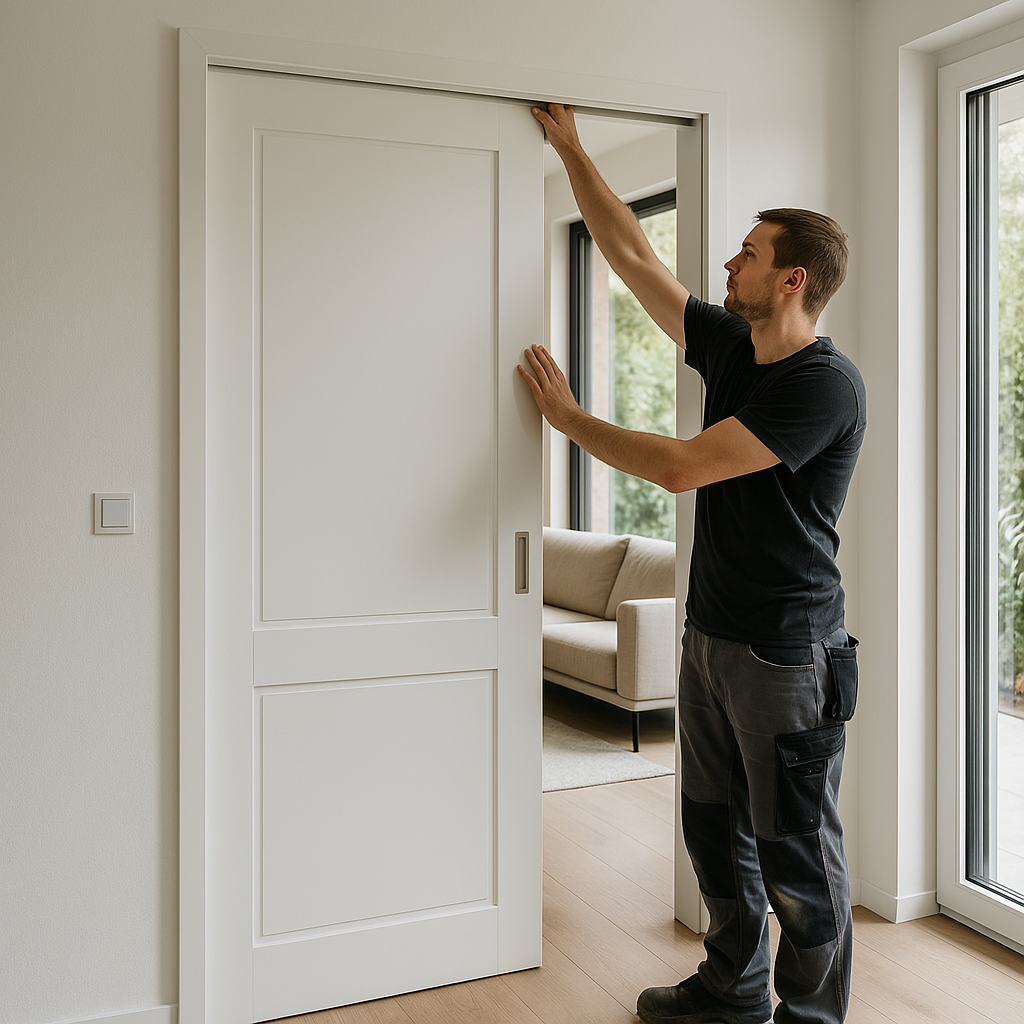
Custom sliding doors offer a sleek, modern solution to enhance both the aesthetic and functionality of interior spaces. For homeowners and renovation professionals, integrating custom sliding doors into existing homes can present unique challenges. This article explores the key installation requirements for DAYORIS sliding door systems, focusing on how to effectively retrofit these doors to save space and elevate interior design.
Sliding doors are ideal for maximizing usable space, particularly in tight layouts where traditional swinging doors may hinder movement or furniture placement. DAYORIS offers custom sliding door solutions precisely crafted to fit specific dimensions and architectural contexts, making them a perfect choice for renovation projects aiming to modernize interiors without expanding footprints.
Before installation, a thorough assessment of the existing wall and opening is essential:
Pocket sliding doors slide into a hidden cavity within the wall, offering a completely unobtrusive option when opened. However, retrofitting this system in existing walls presents challenges:
DAYORIS pocket door kits are designed for adaptability, but professional installation is highly recommended to ensure compliance with building codes and optimal performance.
This solution involves mounting a sliding door track externally on the wall surface. It avoids extensive demolition but requires sufficient adjacent wall space:
DAYORIS offers modern sliding door hardware designed for durability and smooth gliding, enhancing functionality while maintaining minimal visual impact.
The choice of sliding system hardware affects installation complexity and long-term durability:
DAYORIS sliding door solutions include a range of customizable hardware options tailored to professional specifications and homeowner preferences.
Custom sliding doors by DAYORIS can be crafted from various premium materials such as wood veneer, lacquered MDF, or aluminum frames combined with glass panels. Choosing the right material impacts not only the door’s appearance but also durability in high-traffic areas. An expert consultation helps align options with your home’s functional and aesthetic requirements.
Installing custom sliding doors in existing homes is a feasible and attractive renovation upgrade when carefully planned. DAYORIS’ expertise in tailor-made sliding door systems ensures solutions that respect spatial constraints while delivering exceptional design and performance. To explore the full range of DAYORIS custom sliding door products and get professional guidance, visit their official site.
For additional renovation advice and door options, contact Custom Made Interior Doors to discuss your project and receive expert support.